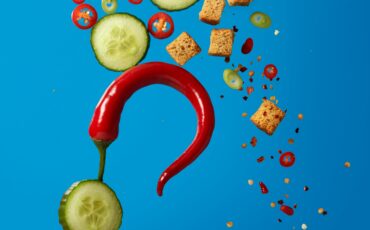
April Fool’s! Health Myths That Sound True (But Aren’t)
Health outcomes are influenced by a complex interaction of biology, behavior, environment and time. Simplistic rules often fall short because they overlook that complexity.
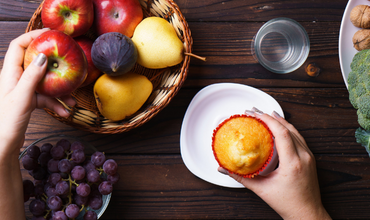
It is common to experience both types of hunger at the same time. Stress can amplify normal hunger signals.
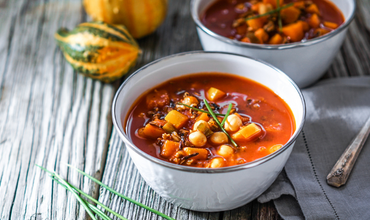
Slow cooker meals can support planning because the steps often stay limited, and many ingredients can be combined at once.
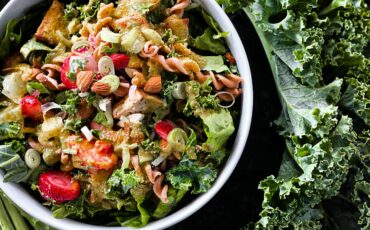
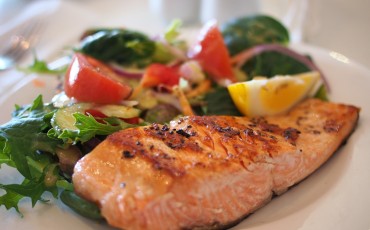
Spring cooking does not need to be complicated. Choose one or two recipes to prepare each week and rotate them. Add fresh herbs where possible. Pair vegetables with protein and whole grains to build balanced meals.
When stress is met with supportive actions rather than automatic eating, the brain slowly rewires the response. This shift allows food to return to its primary role of nourishment and enjoyment, while stress relief comes from a wider range of healthier, more sustainable tools.
When you do not feel like eating, flexibility matters more than following strict rules. Listening to your body and responding to what feels doable helps support recovery without added pressure.
Winter skin support does not come from a single food or recipe. Consistently including nutrient‑dense meals, staying hydrated and choosing warm, nourishing foods can support skin health over time.
Fresh flavors do more than make meals taste better, they can help you feel energized and support healthy habits during colder months.
Slow cooker meals reduce decision fatigue, save time and create a built-in structure during the winter months. Rotating a few recipes each week can simplify meal preparation and support steadier routines.