• Posted in Blog, Nutrition
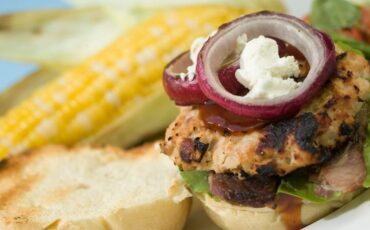
Easy High-Protein Meals You Can Make on the Grill
Having a few reliable grilling meals on rotation can make weeknights easier during the summer months.

Having a few reliable grilling meals on rotation can make weeknights easier during the summer months.
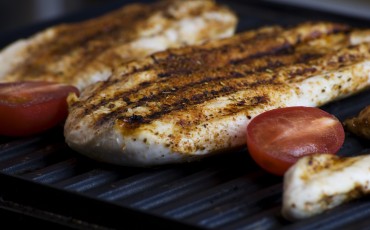
Many experts recommend building meals around a consistent source of protein throughout the day rather than concentrating it in one meal.
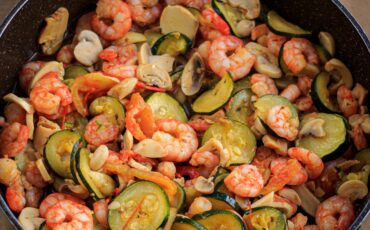
Meals built around seasonal produce often require less preparation because the ingredients already bring flavor and texture on their own.
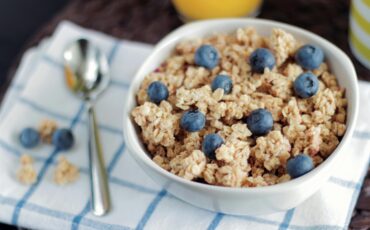
Increasing fiber intake does not require unfamiliar foods or major dietary changes. Small additions using commonly available foods can make a meaningful difference over time.
Appetite will not follow the same pattern every day, even when your habits are fairly consistent. Day-to-day variation is part of how the body responds to sleep, activity and overall intake.

A well-balanced mocktail is built the same way as a good meal. It includes contrast and structure, rather than just sweetness.
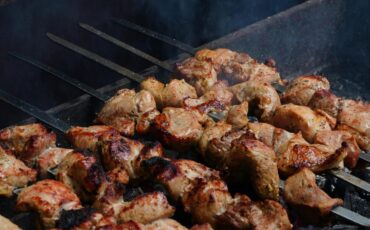
As the weather warms and gatherings move outdoors, BBQs become a regular part of the season. These events are often centered around food, but the structure of the meal can vary widely.
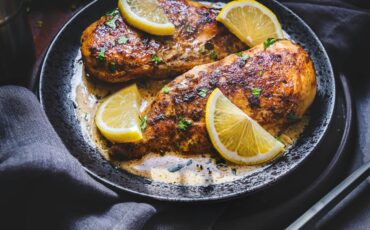
As the season changes, meals often feel better when they match that shift. Lighter cooking methods, fresh ingredients and shorter preparation times can make it easier to stay consistent without feeling like you are spending too much time in the kitchen.
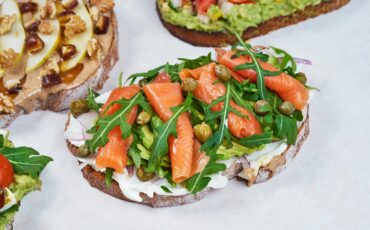
A high-protein breakfast does not need to be complicated. The goal is to have a few options you can rotate throughout the week so that meals feel different without requiring extra effort.