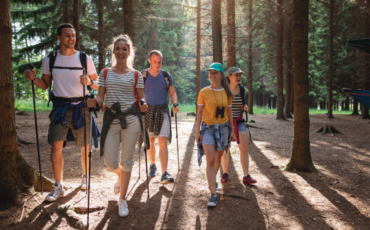
A Summer Walking Scavenger Hunt for Adults and Families
Walking does not always need to feel like a workout to be beneficial. One way to make walking feel more engaging is to give it a purpose beyond step counts or exercise goals.
Recovery does not need to be complicated. In many cases, it simply means building short periods of lower-intensity movement into the week.
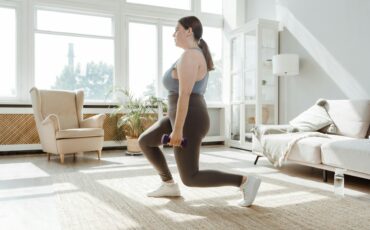
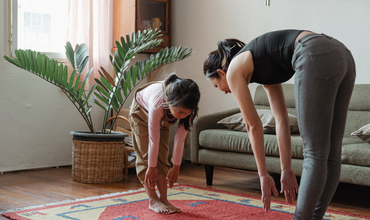
Short strength workouts completed at home can support muscle strength and physical function without requiring equipment or extended time.
Muscle changes with age are common and gradual, but they have meaningful effects on balance, metabolism and daily function.
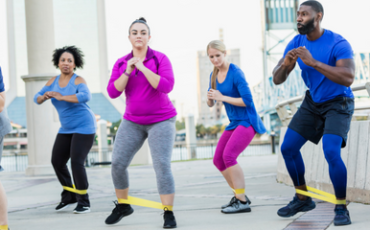
Consistency doesn’t always come from doing more, it often comes from making habits easier to maintain.
Waking up feeling stiff, tight or slow to move is extremely common. For most people, it has less to do with injury or aging and more to do with what happens to the body during several hours of limited movement overnight.
Research shows that sunlight may influence the production of certain neurotransmitters that play a role in mood stability.
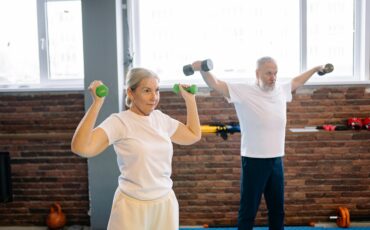
Strength training is one of the most effective ways to slow muscle loss and support long-term health.
Research shows that both short walks and longer continuous walks improve cardiometabolic health. Regular walking of any format is associated with better blood pressure control, improved glucose regulation and lower cardiovascular risk.