

You may have been hearing a lot about ultra‑processed foods lately. They are often described as something to avoid entirely, which can make grocery shopping and eating feel confusing or even overwhelming. In reality, the topic is more nuanced than many headlines suggest.
Understanding what ultra‑processed foods are, how they differ from other processed foods and how to make realistic choices can help reduce stress and support a healthier relationship with food.
What Is Processed Food?
The word processed is often used broadly, but processing exists on a spectrum. Many processed foods are part of nutritious, well‑balanced diets.
Examples of commonly processed foods include:
- Frozen vegetables or fruit
- Canned beans or lentils
- Greek Yogurt
- Whole‑grain bread
These foods have been altered from their original form for safety, preservation or convenience, but they still contain recognizable ingredients and contribute important nutrients. Processing does not automatically make a food unhealthy.
What Is an Ultra‑Processed Food?
Ultra‑processed foods are typically defined by how they are made rather than by a single ingredient. They are often formulated using industrial processes and include ingredients that are not commonly used in home cooking.
Common features of ultra‑processed foods include:
- Added flavors or flavor enhancers
- Emulsifiers, stabilizers or thickeners
- Refined starches or isolated sugars
- Colorings or preservatives used to extend shelf life or alter texture
Examples may include sweetened snack foods, sugary cereals, certain packaged baked goods and some ready‑to‑eat meals. Not all ultra‑processed foods look the same or serve the same purpose, which is why oversimplification can be misleading.
Can You Avoid Ultra‑Processed Foods Completely?
For most people, completely avoiding ultra‑processed foods is neither realistic nor necessary. Accessibility, time, cost, cultural food traditions and individual preferences all matter when it comes to eating.
Focusing on total elimination can also backfire, leading to stress or a sense of failure when perfect avoidance is not possible. Health is shaped by patterns over time, not by individual foods eaten occasionally or for convenience.
A more practical approach is to reduce reliance on ultra‑processed foods when possible, without aiming for perfection.
How to Choose Better Processed Foods
Processed foods can still support health when chosen thoughtfully. A few simple strategies can help guide decisions without turning eating into a rule‑based system.
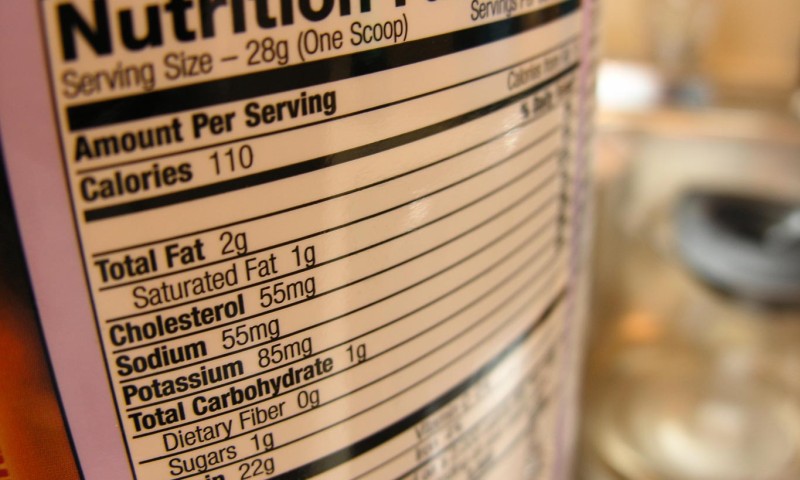
- Scan ingredient lists. Shorter lists with recognizable ingredients are often easier to evaluate, though length alone does not determine healthfulness.
- Look for protein and fiber. These nutrients support fullness and stable energy, especially when choosing packaged foods.
- Consider the role of the food. Convenience foods can serve an important purpose during busy or low‑energy days. Balance matters more than individual choices.
- Pair when needed. Adding protein, fiber or healthy fats to processed foods can help create more balanced meals.
Progress, Not Purity
Ultra‑processed foods are not inherently good or bad, and they do not define the quality of a person’s eating habits. Nutrition works best when it is realistic, adaptable and supportive of daily life.
Rather than striving for purity, focusing on overall patterns, nourishment and consistency helps support long‑term health. When food choices are made with information instead of fear, they become easier to navigate and more sustainable over time.
Cassie Story, RD, Nutrition Subject Matter Expert