


By Cassie Story, RD, Nutrition Subject Matter Expert
If you’ve ever heard the phrase “eat the rainbow,” you may have wondered what it actually means. Fortunately, it’s much simpler than it sounds.
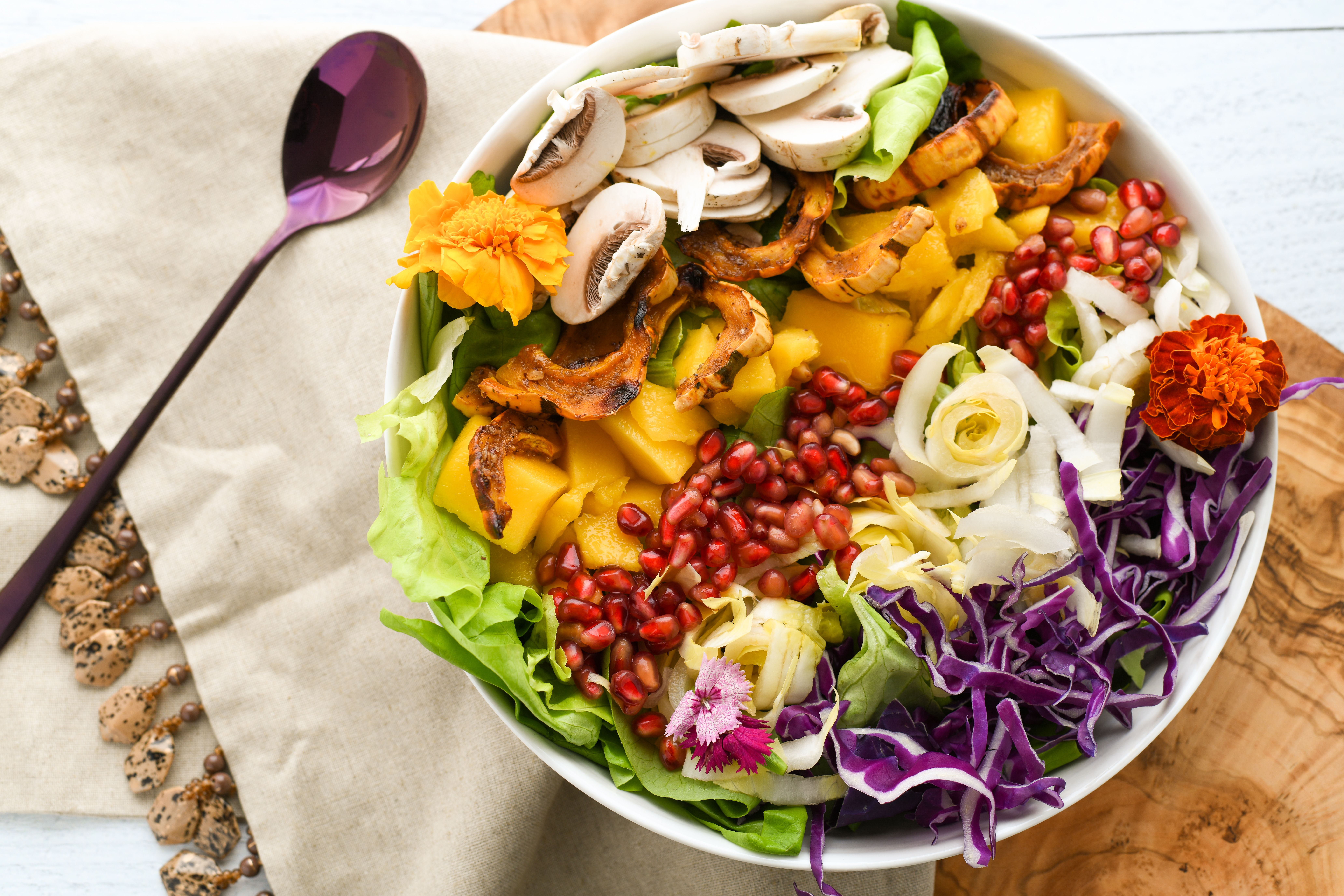
Eating a colorful variety of fruits and vegetables is one of the easiest ways to increase the diversity of nutrients in your diet. You don’t need to count colors every day or make every meal picture-perfect. Instead, think of color as a reminder to include a wider variety of plant foods over the course of a week.
Why Color is Important
The vitamins and minerals in fruits and vegetables are only part of the story. Plants also contain natural compounds called phytonutrients, which help give them their vibrant colors.
Researchers continue to study phytonutrients because they appear to support many aspects of health, including the immune system, heart health, brain health, eye health and healthy aging. While no single food or nutrient can do it all, eating a variety of colorful plant foods helps expose your body to a broader range of these beneficial compounds.
Rather than focusing on one “superfood,” aim for variety.
Every Color Brings Something Different
Here are a few examples of what different color groups can contribute to your diet.
Red Foods
Red fruits and vegetables are rich in compounds such as lycopene and anthocyanins. These foods may support heart health and provide antioxidants that help protect cells from everyday stress.
Try adding:
- Tomatoes
- Watermelon
- Strawberries
- Cherries
- Red bell peppers
Orange and Yellow Foods
These colorful foods are often rich in carotenoids, including beta-carotene, which the body converts to vitamin A. Vitamin A plays an important role in vision, immune function and healthy skin.
Choices include:
- Carrots
- Sweet potatoes
- Pumpkin
- Mango
- Peaches
- Yellow squash
Green Foods
Green vegetables are often packed with folate, vitamin K, magnesium, lutein and other important nutrients. These foods support bone health, eye health and many normal functions throughout the body.
Examples include:
- Spinach
- Broccoli
- Kale
- Brussels sprouts
- Asparagus
- Green beans
Blue and Purple Foods
Blue and purple fruits and vegetables contain anthocyanins, which give them their deep color. These foods contribute antioxidants and may support healthy aging and cognitive health.
Try:
- Blueberries
- Blackberries
- Purple grapes
- Eggplant
- Purple cabbage
- Plums
White and Tan Foods
This group is easy to overlook, but it deserves a place on your plate. Many of these foods contain unique plant compounds that support overall health. Mushrooms also provide nutrients such as selenium and B vitamins, while garlic and onions contain sulfur-containing compounds that continue to be an active area of nutrition research.
Include foods such as:
- Garlic
- Onions
- Mushrooms
- Cauliflower
- Parsnips
- Turnips
Fresh, Frozen and Canned All Count
Fresh produce is wonderful, especially during the summer when many fruits and vegetables are in season. But don’t overlook frozen or canned options.
Frozen fruits and vegetables are typically picked at peak ripeness and frozen quickly, helping preserve many of their nutrients. They are convenient, often less expensive and available year-round.
Canned fruits and vegetables can also be nutritious choices. Look for fruit packed in water or its own juice instead of heavy syrup, and choose vegetables labeled “no salt added” or “low sodium” when possible.
The best fruits and vegetables are the ones you enjoy and will actually eat.
Simple Ways to Add More Color
You don’t have to overhaul your meals to eat more colorful foods. Small additions can make a big difference over time.
Try:
- Adding berries to yogurt or oatmeal
- Including sliced peppers or cucumbers with lunch
- Tossing spinach into eggs or smoothies
- Mixing several vegetables into soups, stir-fries or pasta dishes
- Keeping frozen vegetables on hand for quick dinners
- Choosing fruit for a snack or dessert
What Matters Most
Eating the rainbow isn’t about perfection or checking off every color every day. It’s simply a reminder to enjoy a wide variety of plant foods over time.
Every color brings its own mix of vitamins, minerals and phytonutrients, and together they help create a more varied, nutrient-rich eating pattern. Whether your produce is fresh, frozen or canned, adding more color to your plate is one of the simplest habits you can build to support your overall health.