


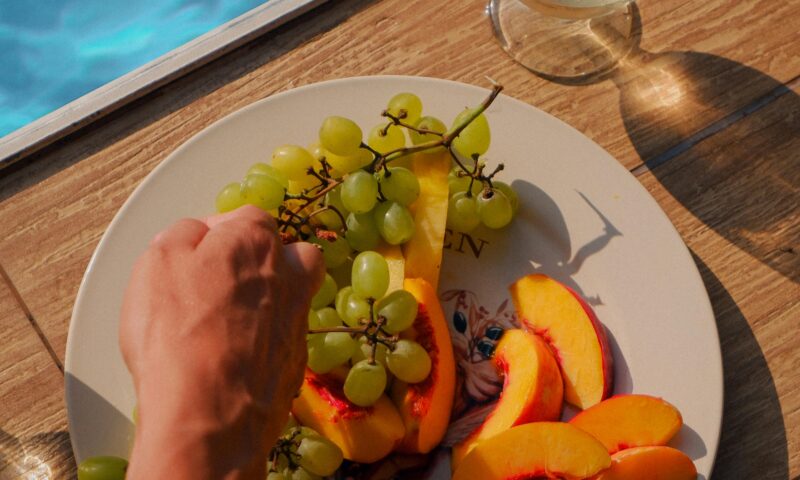
Vacation is a time to relax, explore and enjoy yourself, and that includes eating yummy food. But if you’re working toward health goals, you might feel torn between staying on track and enjoying the experience. The good news is, it’s not one or the other. With a few simple strategies, you can stay nourished and energized without feeling restricted or missing out.
Here’s how to eat well on vacation while still enjoying the trip.
Focus on Feeling Good
Instead of aiming for perfection, shift your goal to feeling your best. That might mean enjoying a local treat one day and choosing a balanced breakfast the next. When you focus on how food makes you feel, it becomes easier to make choices that support your body and your vacation experience.
Make the Most of Travel Days
Whether you’re flying or hitting the road, it helps to plan ahead so you’re not stuck with limited on-the-go options.
Packable snack ideas:
- Roasted chickpeas or edamame
- Trail mix with nuts and dried fruit
- Whole grain crackers and single-serve peanut butter
- Protein bars with simple ingredients
- Sliced veggies or grapes in a cooler bag
If you’re flying, remember many snacks are allowed through security. Bring an empty water bottle to fill post-checkpoint so you stay hydrated too.
Start the Day with a Balanced Breakfast
Hotel breakfasts often include high carbohydrate items like pastries, cereal or waffles. These can lead to an energy crash mid-morning. Aim to include a source of protein and fiber to help you feel full longer.
Look for options like:
- Eggs or omelets
- Greek yogurt with fruit
- Oatmeal with nuts or nut butter
- Whole grain toast with avocado or cheese
If your hotel doesn’t offer breakfast, you can create your own with a stop at a local market or grocery store.
Keep a Gentle Routine
You don’t have to stick to your usual meal schedule perfectly, but having some rhythm can help you avoid skipping meals or arriving at dinner overly hungry.
Various eating patterns that work for many people:
- Light breakfast, snack, lunch, dinner
- Bigger brunch, late-afternoon meal
- Snack every 3–4 hours to keep energy steady
Choose What’s Worth It
You don’t need to eat every treat just because it’s available. Pause and ask: Do I really want this? Will it make the moment better? Enjoying one amazing dessert or special dish you’ve been looking forward to can be more satisfying than sampling everything just because it’s there.
Support Your Digestion While Traveling
New routines, different foods and time zone changes can affect digestion. A few small steps can help things go more smoothly:
- Stay hydrated throughout the day
- Include fiber-rich foods like fruits, vegetables and whole grains
- Take short walks after meals if you can
- If prone to digestive issues, consider bringing a probiotic or fiber supplement
When You Get Home, Just Pick Up Where You Left Off
You don’t need to “make up for” vacation. One trip won’t undo your progress and trying to compensate often leads to more stress or overcorrection. Instead, return to your usual meals, movement and routines. Trust that consistency over time matters more than a few days away.
A Final Note
Vacation eating doesn’t have to mean giving up on your goals and it definitely doesn’t mean feeling guilty. With a little planning and flexibility, you can enjoy the full experience of your trip and come home feeling both nourished and refreshed.
By Cassie Story, RD, Nutrition Subject Matter Expert