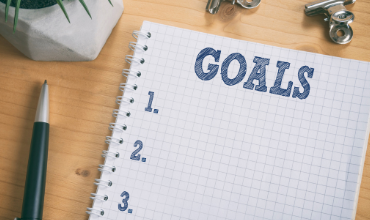

Goal Setting 101: How to Make Your Goals Realistic, Clear and Repeatable
January doesn’t need to be a month of major commitments. Choosing one small goal helps prevent overwhelm and makes it easier to stay consistent.
Holidays are meant to bring people together. By setting boundaries kindly, practicing awareness and choosing to engage in genuine connection, you can enjoy the season for what it truly offers, community, gratitude and belonging.
Lack of rest slows activity in the prefrontal cortex, the part of the brain responsible for decision-making and impulse control. At the same time, the brain’s reward system becomes more sensitive to pleasurable stimuli. This combination makes it harder to stay focused and easier to reach for convenient comforts such as caffeine, sweets or scrolling.
Fall brings a full calendar of social events like tailgates, harvest festivals, bonfires and cozy gatherings with friends and family. If you’re someone who values feeling well both physically and mentally during busy social seasons, a little planning can go a long way.
A balanced lifestyle isn’t about doing everything right, it’s about creating a rhythm that supports your health, energy and happiness over time. It’s flexible, realistic and personal. And the best part? You don’t have to overhaul your life to start living it.
Obesity is a disease. It’s not about blame, it’s about biology, environment and getting the care you need. Understanding it as a disease helps us move toward better treatment, more respect and real hope.
If you have ever lost weight, regained it and started losing again only to find yourself back in the same place months or years later, you are not alone.
Breaking the link between shame and health outcomes starts with shifting the conversation from blame to support, from judgment to care. If you are working toward better health, you deserve encouragement, resources and respect at every step.
Setbacks are a normal part of any health journey. What matters most isn’t avoiding them entirely, but how you respond when they happen.