
• Posted in Blog, Nutrition
What to Know About Muscle Loss During GLP-1 Treatment
Many experts recommend building meals around a consistent source of protein throughout the day rather than concentrating it in one meal.

Many experts recommend building meals around a consistent source of protein throughout the day rather than concentrating it in one meal.

Meals built around seasonal produce often require less preparation because the ingredients already bring flavor and texture on their own.

Early changes in weight can sometimes happen more quickly, particularly when someone first changes nutrition habits, increases activity, starts medication or recovers from untreated health conditions. Over time, however, progress often slows.

Preventive healthcare is not only about treating illness. It is also about tracking changes over time and identifying patterns before they become larger concerns.

Short strength workouts completed at home can support muscle strength and physical function without requiring equipment or extended time.

Muscle changes with age are common and gradual, but they have meaningful effects on balance, metabolism and daily function.
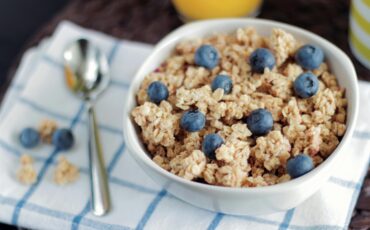
Increasing fiber intake does not require unfamiliar foods or major dietary changes. Small additions using commonly available foods can make a meaningful difference over time.

Weight changes do not always come down to food intake or physical activity. Sleep, stress, underlying health conditions and medications can all play a role.

Appetite will not follow the same pattern every day, even when your habits are fairly consistent. Day-to-day variation is part of how the body responds to sleep, activity and overall intake.