


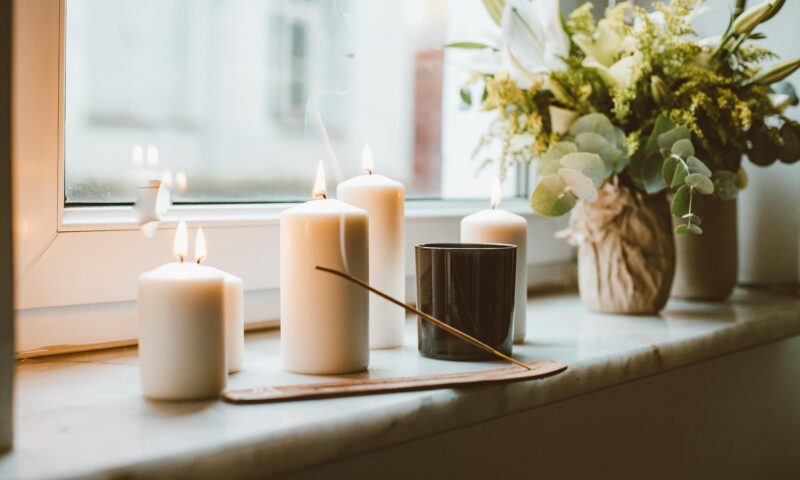
Many people find themselves reaching for snacks at the end of the day, not because they are truly hungry but because eating has become a way to unwind. Understanding why this happens is the first step in changing the pattern.
Why Boredom or Stress Eating Happens
Our bodies have two main drives for eating:
- Homeostatic eating is guided by true hunger and the body’s need for energy or nutrients.
- Hedonic eating is driven by pleasure, habit or emotion rather than physical hunger.
Evenings can be a vulnerable time because stress has built up, routines are unstructured and food is easily available. The foods chosen in these moments are often ultra-processed items like chips, sweets or snack bars, because they are engineered to be hyper-palatable and comforting. While enjoyable in the short term, frequent hedonic eating can make weight management more difficult and may leave you feeling sluggish rather than restored.
Building a “Switch” Ritual
One way to reduce evening snacking is to create a deliberate transition between work and home life. These rituals signal to your body and mind that the workday is over and it’s time to relax, without food needing to play that role.
Below are 20 ideas you can draw from. Not every option will fit everyone, but experimenting with different activities can help you find what feels natural and effective.
20 Alternatives to Evening Boredom Snacking
- Put on scented lotion or essential oils.
- Take a short walk outside, even 5–10 minutes.
- Stretch or do light yoga poses.
- Try an adult coloring book.
- Play music and listen intentionally.
- Take a warm shower or bath.
- Brew a caffeine-free tea.
- Call or text a friend to connect.
- Journal for five minutes.
- Water your plants or tidy a small space.
- Do a quick breathing exercise.
- Work on a puzzle or simple game.
- Read a chapter of a book.
- Light a candle and sit quietly.
- Do a short meditation with a guided app.
- Spend time on a hobby like knitting, drawing or photography.
- Write down tomorrow’s to-do list to clear your head.
- Play with a pet.
- Step outside and focus on the evening air.
- Try a brief body scan, bring attention from head to toe to release tension.
The goal is not to eliminate snacking entirely but to become more aware of what drives it. If you are physically hungry, a balanced snack with protein and fiber is a great option. If you are not, choosing a switch ritual can help meet the underlying need for relaxation or stress relief.
Key Point
Evening eating is often less about true hunger and more about habit and comfort. By preparing simple rituals that replace food with other forms of relaxation, you can reduce stress eating and finish the day with a stronger sense of control and balance.
By Cassie Story, RD, Nutrition Subject Matter Expert