


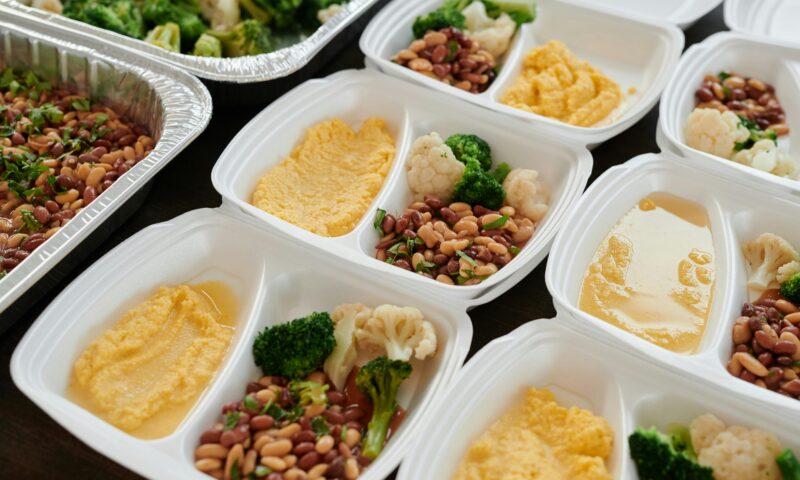
The holidays are a time for celebration, connection and let’s be honest, plenty of food. From roasted meats and creamy casseroles to pies and festive drinks, the abundance is part of the joy. But once the guests have gone and the dishes are done, many of us are left staring into a fridge full of leftovers, wondering how to make the most of them without derailing our health goals.
The good news? With a few smart strategies, those post-holiday meals can be transformed into balanced, satisfying options that support your wellness journey. Here’s how to do it mindfully and deliciously.
Start with Food Safety
Before diving into creative meal ideas, it’s important to make sure your leftovers are still safe to eat. The USDA recommends refrigerating leftovers within two hours of cooking and consuming them within 3 to 4 days. If you’re unsure how long something has been sitting in the fridge, it’s better to err on the side of caution.
Quick tips:
- Store leftovers in shallow containers to cool quickly.
- Reheat foods to an internal temperature of 165°F.
- Freeze portions you won’t eat within a few days to extend shelf life.
Balance Your Plate
Holiday meals often provide carbohydrate heavy dishes. While there’s nothing wrong with enjoying these foods, post-holiday meals are a great opportunity to rebalance your plate with a focus on protein, fiber and healthy fats.
Try this simple formula:
- Protein: Turkey, ham, roast beef or plant-based options like lentils or tofu.
- Fiber: Add steamed or roasted veggies, leafy greens or a side salad.
- Healthy fats: Include avocado, olive oil, nuts or seeds.
For example, turn leftover turkey into a veggie-packed stir-fry or toss roasted sweet potatoes into a salad with greens and grilled chicken. These combinations help stabilize blood sugar, support satiety and keep energy levels steady.
Portion with Purpose
After a day of indulgence, it’s easy to fall into the trap of “cleaning out the fridge” by eating more than you need. Instead, portion leftovers into individual servings to help you stay mindful of how much you’re eating.
Helpful strategies:
- Use smaller plates or containers to guide portion sizes.
- Pair leftovers with a fresh side (like a salad or broth-based soup) to add volume without excess calories.
- Practice the “plate method”: half veggies, a quarter protein and a quarter starch.
This approach isn’t about restriction; it’s about creating meals that leave you feeling nourished and satisfied.
Increase the Protein
Protein is a key player in weight management and overall health. It helps preserve lean muscle, supports metabolism and keeps hunger in check. If your leftovers are light on protein (think mashed potatoes or stuffing), consider adding a protein source to round out the meal.
Easy protein add-ins:
- Hard-boiled eggs
- Canned tuna or salmon
- Greek yogurt or cottage cheese
- Beans or lentils
- Protein powder in soups or smoothies
Get Creative with Repurposing
Leftovers don’t have to be boring. With a little creativity, you can turn them into entirely new meals that feel fresh and exciting.
Ideas to try:
- Holiday Hash: Sauté chopped veggies and protein with herbs and spices.
- Stuffed Veggies: Fill bell peppers or zucchini boats with leftover grains and meats.
- Soup Remix: Use leftover turkey or ham in a hearty vegetable soup.
- Wraps & Bowls: Combine leftovers in a whole-grain wrap or grain bowl with greens and a flavorful sauce.
These options help reduce food waste while keeping your meals interesting and balanced.
Mindful Eating Matters
Finally, remember that how you eat is just as important as what you eat. After the hustle of the holidays, slowing down and tuning into your hunger and fullness cues can help you reconnect with your body’s needs.
Try this:
- Sit down to eat without distractions.
- Take a few deep breaths before your first bite.
- Pause halfway through to check in with your hunger level.
Mindful eating supports digestion, satisfaction and a more positive relationship with food, especially after a season of celebration.
By Cassie Story, RD, Nutrition Subject Matter Expert