


When temperatures rise, your appetite, digestion and even hydration needs can shift. That’s not your imagination, it’s your body’s natural response to staying cool and balanced. Understanding these changes can help you make smarter food choices that support your energy, comfort and health during the hotter months.
Why Hot Weather Changes Your Appetite
You might notice you feel less hungry on really warm days. That’s because digestion produces heat. When your body is already working to cool itself, it naturally slows down signals for large or heavy meals.
Instead of forcing a full plate, try eating smaller amounts more often. Think of meals as gentle fuel rather than a big production.
The Role of Hydrating Foods
In the heat, hydration becomes more important, but water is not your only tool. Many fruits and vegetables are made mostly of water, which makes them excellent choices for staying cool and nourished.
Try to include more of these water-rich foods in your meals and snacks:
- Cucumbers
- Watermelon
- Strawberries
- Zucchini
- Bell peppers
- Oranges
- Lettuce or mixed greens
Pair them with some protein or healthy fats to make your meals more satisfying.
Thermoregulation and Food Choices
Your body manages its temperature through a process called thermoregulation. The foods you eat can either support or challenge that process.
Warm foods and spices may sound counterintuitive, but in small amounts, they can actually help your body cool itself by encouraging sweating, which releases heat. That’s why spicy cuisines are often found in hot climates.
That said, heavy or greasy meals can leave you feeling sluggish in the heat. Instead, lean toward lighter meals that are easier to digest.
Easy Meals for Hot Days
When it’s too hot to turn on the oven, these ideas can help keep you nourished without overheating your kitchen:
- Cold grain bowls with quinoa, grilled chicken, cucumber and feta
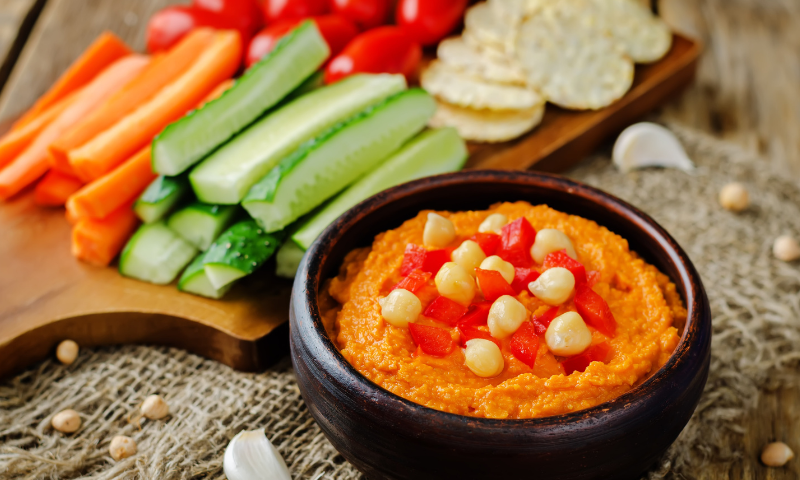
- Hummus snack plates with sliced veggies, olives and whole grain pita
- Shrimp or tofu lettuce wraps with peanut or sesame sauce
- Yogurt parfaits layered with fruit, seeds and a drizzle of honey
- Smoothies made with frozen berries, leafy greens and protein powder
- Chilled bean salad with black beans, corn, tomatoes and lime
Prep these ahead in the cool of the morning and store them in the fridge for a refreshing meal later.
How to Stay Nourished When It’s Too Hot to Cook
- Shop for ingredients that need minimal prep: pre-cut veggies, rotisserie chicken or canned legumes
- Batch cook proteins on cooler days and use them in wraps, salads, or bowls all week
- Keep a list of no-cook meals on hand so you’re not tempted to skip eating
- Freeze leftover smoothie portions or fresh fruit for grab-and-go options
Let Your Body Guide You
If you feel less hungry in the summer, that’s okay. Listen to your cues and aim to eat nourishing foods that feel good in your body. Stay hydrated, eat consistently and choose light meals that support energy without weighing you down.
By Cassie Story, RD, Nutrition Subject Matter Expert