

Why Your Environment Matters
What we eat isn’t just about motivation or willpower. It’s often shaped by what we see, what’s easy to grab and what feels “normal” in our surroundings. If your kitchen counters are stacked with chips or cookies, those foods become the default choice. On the other hand, if fresh fruit or a protein snack is visible and ready to eat, you’re more likely to reach for it. Your home environment can quietly guide your habits every day.
- Visibility
We tend to eat what we notice first. Placing fruits, vegetables or protein-rich options at eye level in the fridge or on the counter makes them the easiest choice. A bowl of apples or berries on the counter can encourage snacking on something nourishing. In the fridge, keep prepped vegetables or yogurt in clear containers where you can see them. When healthy foods are visible, they feel like the natural option.
- Convenience
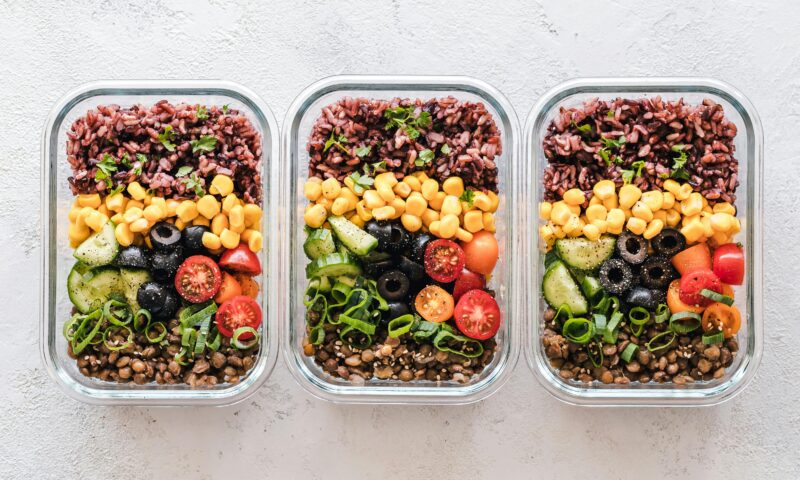
Even when we want to eat well, convenience often wins. If vegetables require washing, peeling, and chopping, they might stay in the drawer untouched. Pre-cut vegetables, ready-to-eat salads or cooked proteins like hard-boiled eggs make healthy choices quick and easy. Think about what slows you down and remove those barriers. A little prep, like slicing peppers or portioning nuts, can make a big difference in what you choose when you’re hungry.
- Portion Defaults
The size of your plate or bowl influences how much you eat. Larger plates make portions look smaller, which can lead to overeating without realizing it. Using smaller plates or bowls helps with smaller-size portions naturally. Pre-portioned snacks, like single-serving bags of nuts or fruit cups, can also prevent mindless eating. These small changes don’t require strict rules, they simply make balanced portions the default.
Barriers for Ultra-Processed Snacks
Highly processed snacks are easy to overeat because they’re designed to be convenient and tempting. You don’t have to ban them completely, but you can make them less accessible. Store chips, cookies or candy in opaque containers or on a high shelf instead of leaving them out. When these foods are harder to see and reach, you give yourself a pause to decide if you really want them. That pause can help you make a more intentional choice.
One-Week Home Environment Reset
Changing your food environment doesn’t have to happen overnight. Try these steps over the next week:
- Day 1: Clear your counters. Remove packaged snacks and replace them with a bowl of fruit or a container of cut vegetables.
- Day 2: Organize your fridge. Put healthy options at eye level, like yogurt, berries or lean proteins. Move less nutritious items to lower shelves.
- Day 3: Prep convenience foods. Wash and cut vegetables, cook a batch of hard-boiled eggs or portion nuts into small containers.
- Day 4: Adjust your dishes. Swap large dinner plates for smaller ones and set out bowls for snacks instead of eating from the bag.
- Day 5: Create barriers for treats. Move ultra-processed snacks to a high cabinet or opaque bin so they’re out of sight.
- Day 6: Stock up on easy wins. Add ready-to-eat protein options like Greek yogurt, string cheese or rotisserie chicken to your grocery list.
- Day 7: Review and tweak. Notice what changes made healthy choices easier and keep those habits going.
Conclusion
Your home environment can make healthy eating feel effortless or make it harder than it needs to be. By focusing on visibility, convenience, portion defaults and barriers for less nutritious foods, you set yourself up for success without relying on constant willpower. Small changes add up, and when your surroundings support your goals, healthy habits become the natural choice.
By Cassie Story, RD, Nutrition Subject Matter Expert