

by Cassie Story, RD, Nutrition Subject Matter Expert
Weight loss is often linked with better health. So it can be surprising to learn that losing weight quickly can also raise the risk of gallstones. It may be even more confusing that obesity itself is a risk factor for gallstones.
First, What Are Gallstones?
Your gallbladder is a small organ beneath the liver. It stores bile, a fluid your body uses to digest fat. Gallstones are hardened pieces of material that form inside the gallbladder, and most are made mainly of cholesterol.
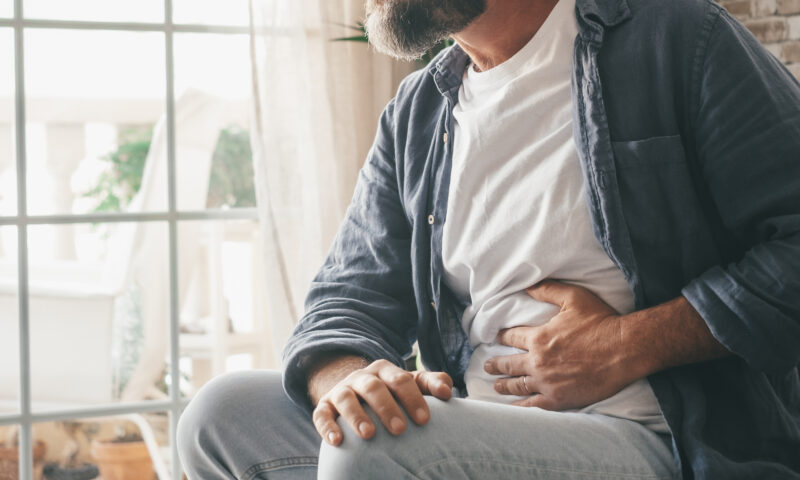
Many people have gallstones and never know it. Problems tend to occur when a stone blocks the normal flow of bile. A gallbladder attack often causes sudden pain in the upper-right abdomen and may need medical treatment.
Why Does Obesity Increase the Risk?
Several factors can make gallstones more likely in people with obesity. One is that the body may release more cholesterol into bile. If bile contains more cholesterol than it can keep dissolved, crystals can form and eventually become stones. Insulin resistance, metabolic syndrome and the way body fat is distributed may also play a role.
Rapid Weight Loss Can Raise Risk, Too
When weight comes off quickly, the liver may release extra cholesterol into bile. At the same time, the gallbladder may not empty as well as usual. Together, these changes can create conditions that make stones more likely to form.
Very-low-calorie or very-low-fat diets may further increase this risk. The gallbladder normally contracts and releases bile when dietary fat is consumed. When little or no fat is eaten, bile may remain in the gallbladder for longer periods, which can contribute to the formation of gallstones. Including a small amount of healthy fat at meals, such as olive oil, nuts, seeds, avocado or fatty fish, helps support normal gallbladder emptying while losing weight.
Does Everyone Losing Weight Need to Worry?
No. Many people lose weight without ever developing gallstones. Risk depends on factors such as your starting health, whether stones were already present, how much weight you lose and how quickly.
If you’re starting a treatment that’s expected to cause substantial or rapid weight loss, your healthcare team can help you understand your individual risk. And if gallstones are a concern, talk with your provider before drastically slowing, stopping or changing your treatment.
Know the Symptoms
Gallstones that aren’t causing symptoms often need no treatment. But a blocked bile duct can require medical care.
Contact a healthcare professional if you have new or significant abdominal pain, especially in the upper-right part of your abdomen. Severe or persistent pain, fever, vomiting or yellowing of the skin or eyes should be evaluated promptly.
Conclusion
Weight loss can bring meaningful health benefits, but bodies are complicated. Knowing that gallstones can occur during periods of rapid weight loss can help you recognize symptoms and talk with your healthcare team early, rather than being caught by surprise.