


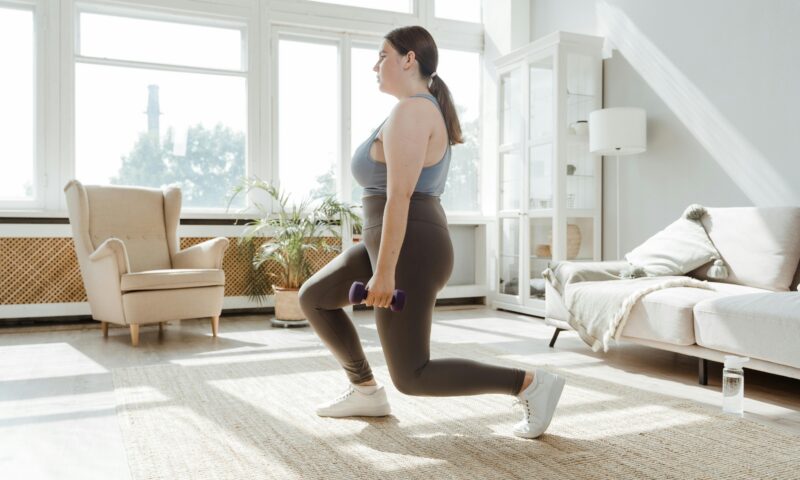
Strength training can be included in a weekly routine without access to a gym or specialized equipment. Short, structured sessions completed at home are one option for supporting muscle strength and physical function when time or resources are limited.
Why Strength Training Matters
Public health guidance commonly recommends strength training at least two times per week. This recommendation reflects the role muscle plays in everyday movement and long‑term physical function.
Muscle tissue supports routine activities such as standing from a chair, carrying items and climbing stairs. It also plays a role in metabolic processes, including how the body uses energy and glucose. Over time, maintaining muscle strength can support balance, joint stability and overall physical function.
Strength sessions do not need to be long or complex to be useful. Brief workouts completed consistently can support these outcomes when they fit into a person’s schedule.
The 20 Minute Circuit
This circuit uses bodyweight movements, with the option to include resistance bands if available. Exercises can be adjusted based on comfort, range of motion or available space.
How the circuit works
- Each exercise is performed for a set amount of time or a specific number of repetitions.
- All exercises are completed once before taking a rest period of 1 to 2 minutes.
- The circuit is repeated for 2 to 3 total rounds.
- Total time is approximately 20 minutes, including rest.
Exercises included
- Squats
- 30 to 45 seconds, or 10 to 12 repetitions
- A chair can be used for support if helpful.
- Push‑ups
- 30 to 45 seconds, or 8 to 10 repetitions
- Options include wall push‑ups or incline push‑ups using a counter or bench.
- Rows
- 30 to 45 seconds, or 10 to 12 repetitions
- A resistance band, towel row or another bodyweight variation can be used.
- Lunges
- 30 to 45 seconds, alternating sides
- Step‑back lunges or supported lunges are available options.
- Core movement
- 30 to 45 seconds
- Options include a plank at any height, a dead bug or a seated core hold.
Movements can be slowed, shortened or modified as needed. Additional rest can be taken between exercises if that supports comfort and form.
How to Use This During the Week
This circuit can fit into a range of weekly routines depending on energy levels, schedules and preferences.
- Completing the circuit two to three times per week aligns with general strength training recommendations.
- Strength sessions can be paired with walking or other low‑impact movement, either on the same day or on alternating days.
- Sessions do not need to occur on the same days each week to be effective.
Allowing time between strength sessions supports muscle recovery and overall comfort.
Adjustments and Comfort Considerations
Strength exercises can be adapted to support joint tolerance, comfort and current ability. These adjustments do not reduce the value of the session. They help make movement more accessible and repeatable.
- Range of motion: Movements can be performed through a smaller range if full depth is not comfortable. Squats can stop above parallel, and lunges can be shortened.
- Support options: Chairs, walls or countertops can provide balance support. Push‑ups can be performed at a wall or elevated surface.
- Pace: Slower movement with controlled breathing may help maintain form. Pauses between repetitions are also an option.
- Rest: Additional rest can be taken between exercises or rounds. The circuit does not need to be completed continuously.
- Core choices: Seated or supported core movements are valid alternatives to floor‑based exercises.
Clothing, footwear and surface choice can also affect comfort. Supportive shoes, a stable chair and adequate floor padding may make sessions easier to complete.
The goal of this circuit is to provide a structured option that can be adjusted over time. Exercises may remain the same while comfort, coordination or endurance change gradually.
The takeaway
Short strength workouts completed at home can support muscle strength and physical function without requiring equipment or extended time. Steady, repeatable sessions often provide more benefit than higher‑intensity efforts done occasionally.
By Cassie Story, RD, Nutrition Subject Matter Expert