


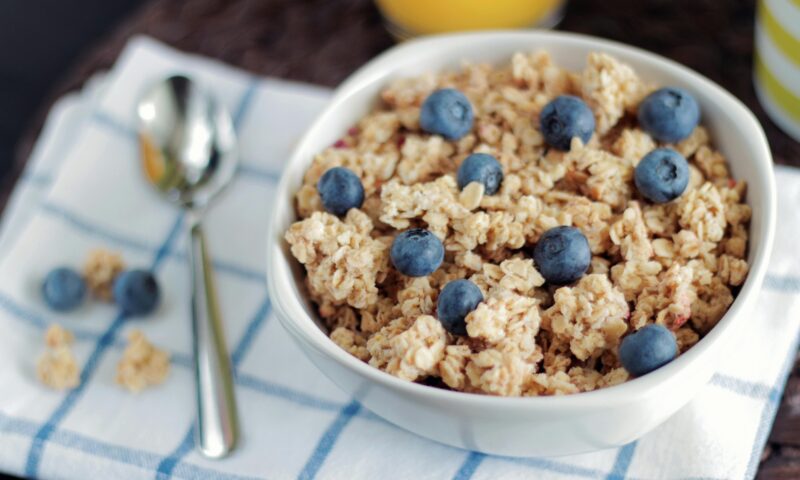
Dietary fiber is a component of plant foods that plays a role in digestion and metabolic health. Despite its importance, fiber intake in the United States remains below recommended levels. Current guidance suggests about 25 grams per day for adult women and 38 grams per day for adult men, though individual needs can vary. Understanding what fiber does in the body and how it fits into everyday eating patterns can help make fiber‑rich choices feel more approachable.
What Fiber Does
Fiber moves through the digestive system differently than other carbohydrates. Because it is not fully broken down or absorbed, it affects digestion in ways that support several normal body functions.
One of fiber’s primary roles is supporting digestive regularity. By adding bulk and structure within the digestive tract, fiber helps stool move at a steady pace. This process supports normal bowel function and digestive comfort for many people.
Fiber also plays a role in how carbohydrates are digested. When fiber is present in a meal, digestion tends to occur more gradually. This slower process supports steadier blood glucose responses after eating, which is why fiber‑containing foods are often included in guidance related to metabolic health.
Another effect of fiber is its contribution to fullness. Fiber‑rich foods tend to take longer to digest and often add volume to meals. As a result, meals that include fiber may feel more satisfying without requiring changes in portion size.
Types of Fiber
Fiber is commonly described in two broad categories: soluble and insoluble. This distinction is useful for understanding how fiber behaves in the digestive system, but most foods contain a combination of both types.
Soluble fiber dissolves in water and forms a gel‑like substance during digestion. This type of fiber is found in foods such as:
- oats
- beans
- lentils
- apples
- citrus fruits
- barley
Insoluble fiber does not dissolve in water and adds bulk as it moves through the digestive tract. Common sources include:
- whole grains
- nuts
- seeds
- many vegetables
Rather than focusing on one type over the other, including a variety of plant foods across meals naturally provides a mix of both.
Easy Ways to Add Fiber Through Food
Increasing fiber intake does not require unfamiliar foods or major dietary changes. Small additions using commonly available foods can make a meaningful difference over time.
- Beans and legumes are one of the most concentrated food sources of fiber. Options such as black beans, chickpeas, lentils and split peas can be added to soups, salads, grain bowls or mixed dishes without changing the overall structure of a meal.
- Fruits contribute fiber along with natural carbohydrates and micronutrients. Berries, apples, pears, oranges and bananas are widely available examples. When appropriate, leaving the skin on fruits adds additional fiber.
- Vegetables also contribute meaningful amounts of fiber. Broccoli, carrots, leafy greens, squash, peas and green beans are examples that fit into a range of meals. Fresh, frozen and canned vegetables can all support fiber intake.
- Whole grains provide fiber while also contributing carbohydrates and, in some cases, protein. Foods such as oats, brown rice, quinoa, barley and whole wheat bread can replace refined grains without requiring larger portions.
What to Expect When Increasing Fiber
When fiber intake increases, digestive changes are common. These may include bloating, changes in stool consistency or changes in bowel frequency. These responses are typical and often temporary.
Gradually increasing fiber intake allows the digestive system time to adjust. Adequate fluid intake also supports digestion as fiber intake rises. Together, these approaches tend to support comfort as dietary patterns shift.
Conclusion
Fiber supports digestion, blood glucose regulation and fullness through everyday food choices. Consistent inclusion of fiber‑containing foods over time is often more sustainable than large or sudden changes.
By Cassie Story, RD, Nutrition Subject Matter Expert